Europe Has More Clean Power Than It Can Handle
The continent generates more renewable electricity than ever but the grid that's supposed to carry it was built for a world that no longer exists.
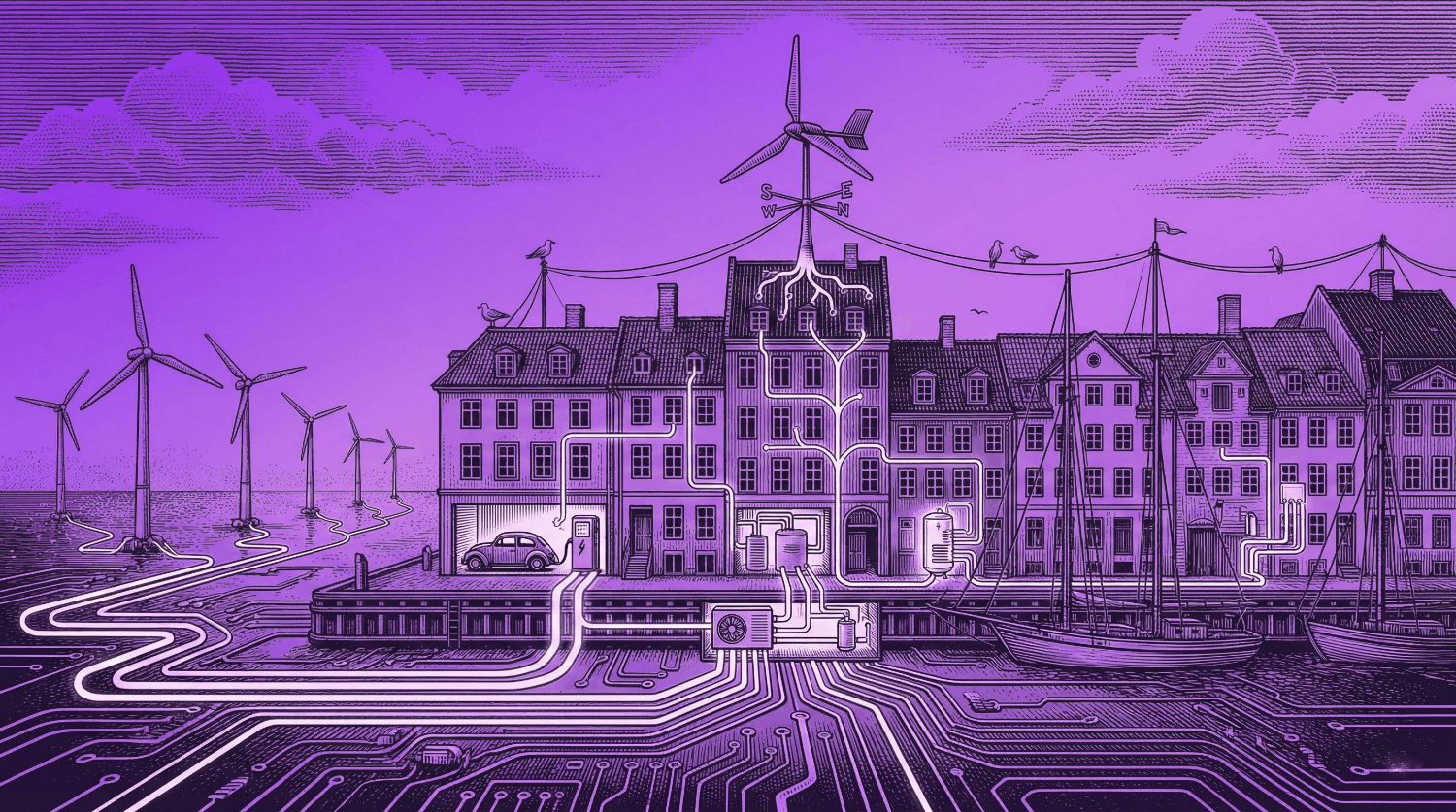
Europe is generating more renewable electricity than ever before, but has nowhere to put it. The continent's power grid is overloaded, underfunded, and still managed on paper by two-thirds of its operators. It is reaching a physical limit just as the political mandate to decarbonise is accelerating. With an estimated €1.2 trillion needed for grid upgrades by 2040, as well as a shortage of 250,000 technicians, the most important battle in the energy transition is no longer about how much clean power Europe can build. It's about whether the system can absorb what's already been built.
Great Power Paradox
The European power sector is generating more renewable electricity than ever before, yet the infrastructure required to transport it is reaching its limits. The rapid deployment of wind and solar power under initiatives such as REPowerEU and Fit for 55 has been successful in terms of decarbonisation. However, our physical grid is struggling to cope with this influx of decentralised energy.
As we approach 2026, the European power sector is entering an 'operational phase'. We are moving beyond an era in which installing more megawatts was the primary metric of success. Value is shifting from sheer capacity ownership towards operational intelligence. Efficiency, energy flexibility and grid modernisation are now the only viable ways to maintain system stability. The European power market no longer tolerates operational lag; it requires a real-time, data-driven response to volatile pricing.
Trillion-Euro Price Tag of Playing Catch-Up
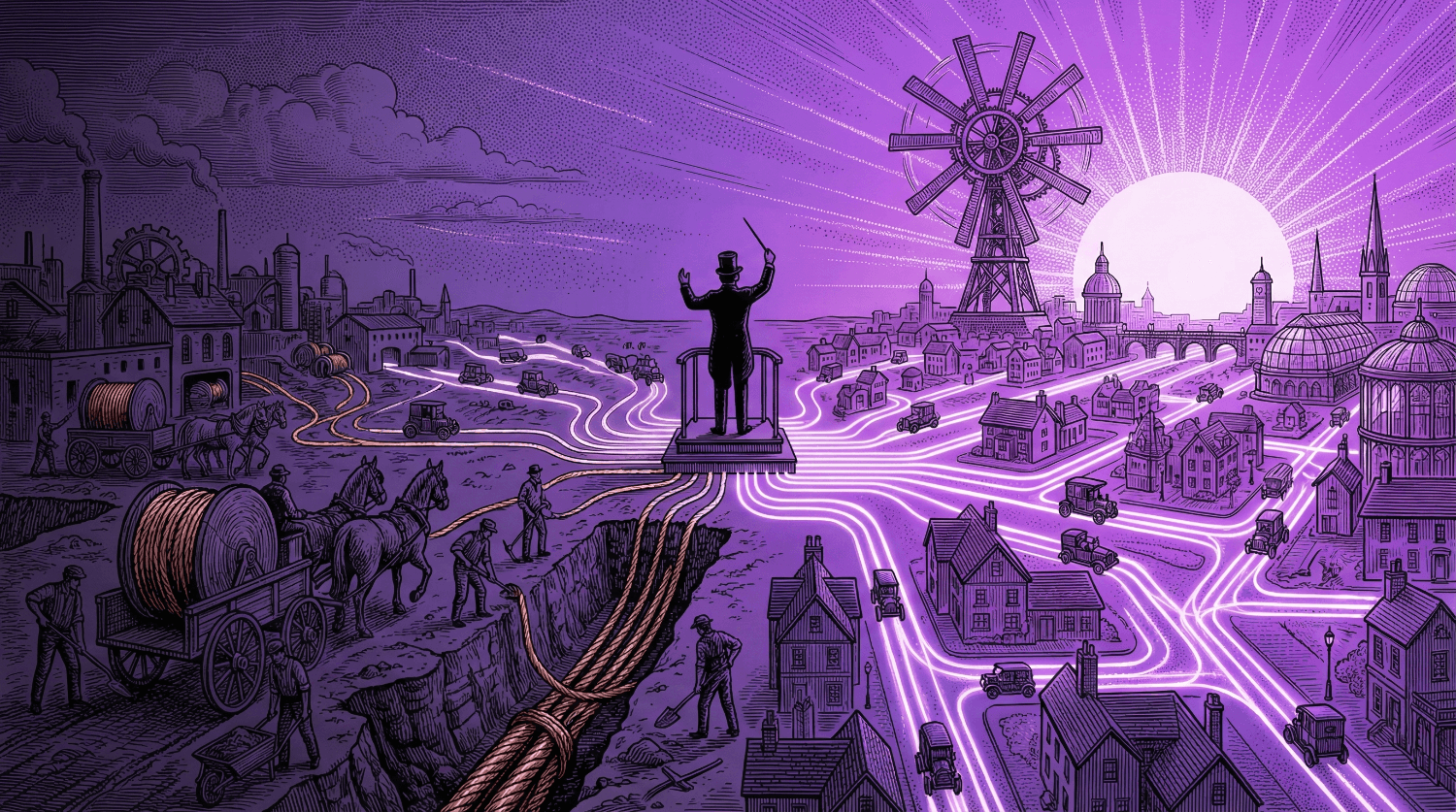
Modernising the grid is estimated to cost €730 billion for distribution and €477 billion for transmission by 2040. However, a 'build-only' strategy is no longer viable. The 40 largest European utilities currently have gross debt of €890 billion. In that financial environment, market-based flexibility is essential. Physical cable expansion alone is too slow and expensive. Demand response and distributed generation are the only ways to contain costs that are already threatening to spiral. As ACER, the European energy regulator, warns:
“Network costs could rise by 20–40% by 2030 and potentially double by 2050, posing serious risks to electricity affordability.”
By prioritising flexible markets, the EU could save an estimated €5 billion in generation costs each year, shifting its strategy from digging trenches to optimising electrons.
The 15-Minute Revolution
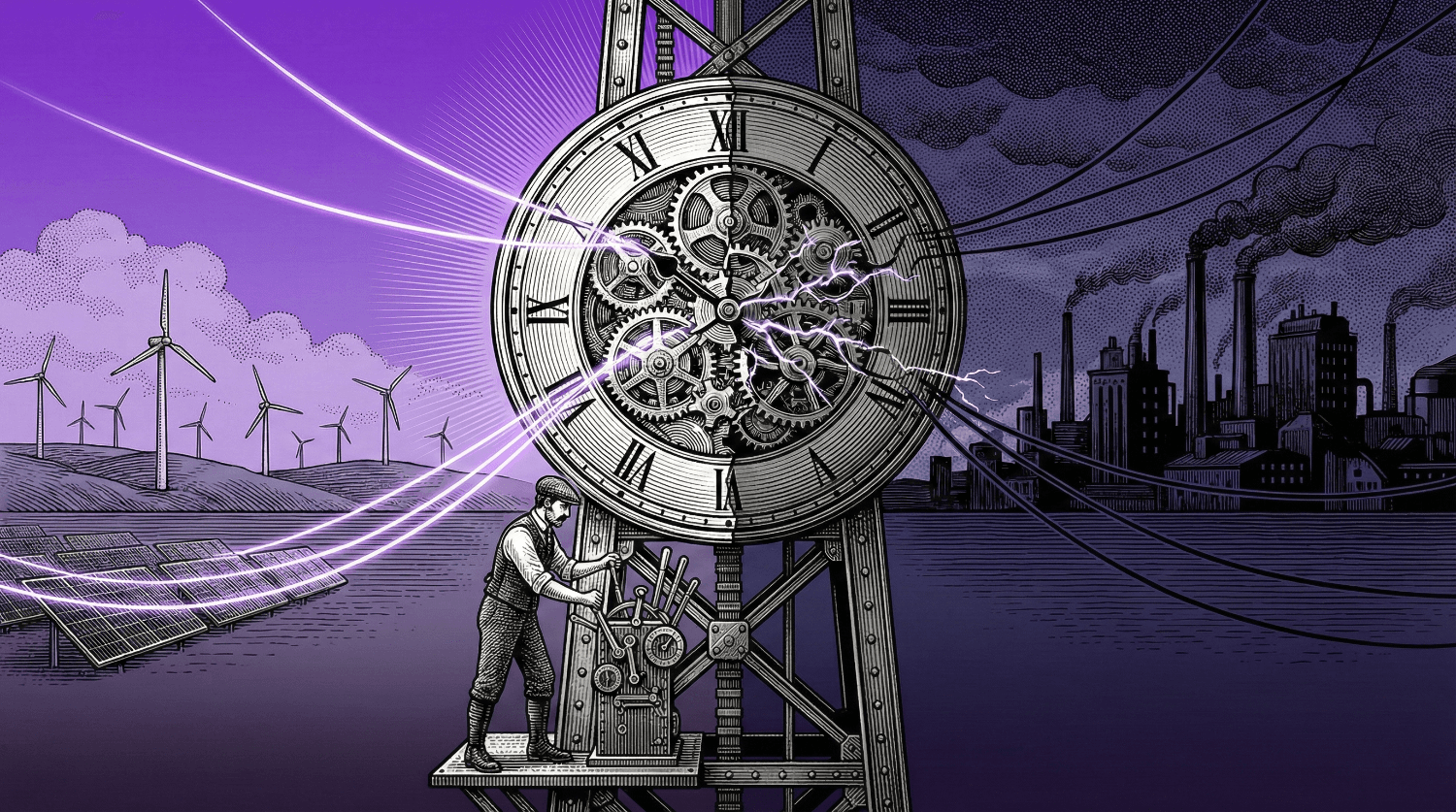
The EU is transitioning its day-ahead market from hourly trading to 15-minute intervals. For volatile assets such as solar and wind power, where output can fluctuate significantly within an hour, this granular timeframe rewards real-time responsiveness rather than broad, often inaccurate estimates.
The compliance deadline is 2026. According to EU methodology, Member States must carry out national flexibility assessments by July 2026, paving the way for indicative targets by 2027. This regulatory shift creates a closer link between short-term forecasts and actual dispatch. For system operators, it provides the resolution needed to maintain frequency in a low-inertia grid. For asset owners, revenue will increasingly be won or lost within 15-minute timeframes, whereas hourly averages previously obscured inefficiency.
Digital Twins vs. Paper Processes
While we discuss AI-driven grids, the current reality is sobering: 67% of power firms still rely on paper-based processes and 78% report severe operational issues due to poor data integration. Regulators are losing patience with manual grid management.
In Germany, 'Paragraph 14a' now enables grid operators to reduce controllable loads, but requires them to invest in the necessary infrastructure to connect these loads. In the UK, Ofgem's RIIO-2 rules require operators to publish digitalisation plans and implement digital twins. E.ON's digital twin now covers over one-third of Germany's distribution network and monitors 55 million components. As the grid becomes increasingly complex, transitioning to automated Distributed Energy Resource Management Systems (DERMS) is essential to avoid systemic failure.
"The grid is becoming a massive real-time data problem. If we don't move past paper-based management towards automated DERMS platforms, we'll be running a 21st century economy on a 19th century operating system.” Martin Gonda, CEO of Wattiva
New Structural Anchors of Demand
The explosion of AI and cloud computing has transformed data centres from passive consumers into structural anchors of the European power system. These facilities have near-zero tolerance for interruptions and are under intense pressure to source 100% renewable energy. This is driving a shift towards sophisticated, round-the-clock corporate PPAs that incorporate hybrid storage to match generation profiles with consumption in real time.
However, the geographic concentration of these data hubs is creating a hidden cost. As data centres put a strain on local grid capacity, renewable energy providers face the risk of systemic curtailment, whereby generation is forcibly reduced because the grid cannot handle the load. Without high-resolution operational data, operators cannot quantify their losses. By 2026, the ability to provide bankable, predictable delivery profiles will be the primary factor that sets PPAs apart.
Who Will Build the Future?
The digital transition is crucial, yet the physical infrastructure is ageing. Around 40% of Europe's distribution grids are over 40 years old, and the workforce needed to maintain them is reaching retirement age. Europe is facing a shortage of 250,000 workers to carry out planned upgrades.
Technology is the only way to compensate for a shrinking workforce. There is a strategic shift from prevention to recovery, with tools such as FLISR (Fault Location, Isolation, and Service Restoration) being used to automate grid healing and AI project controls to manage the thousands of concurrent small-scale projects that human supervisors can no longer track. These digital tools are the only way to bridge the widening labour gap and ensure that maintenance keeps pace with the accelerating rate of asset failure.
Can We Move Fast Enough?
Value is no longer found in simply owning generation capacity. It lies in the operational intelligence required to navigate a volatile 15-minute market. The organisations that will succeed in 2026 are those that have replaced paper processes with digital twins and reactive maintenance with automated recovery. This transition represents the most complex engineering and financial challenge of our era.
The system no longer tolerates inefficiency. Every portfolio operator must ask themselves whether their data resolution can keep pace with 15-minute settlement or if revenue is quietly eroding in the gaps of a paper-based system.