"Energy Flexibility" is Multi-Billion-Euro Saviour
Since 2019, the EU has avoided €59 billion in fossil fuel costs. However, without a radical rethink of how grids balance supply and demand, those savings could be wasted. The solution lies in millions of ordinary households coordinated by software that can absorb and release energy on command.
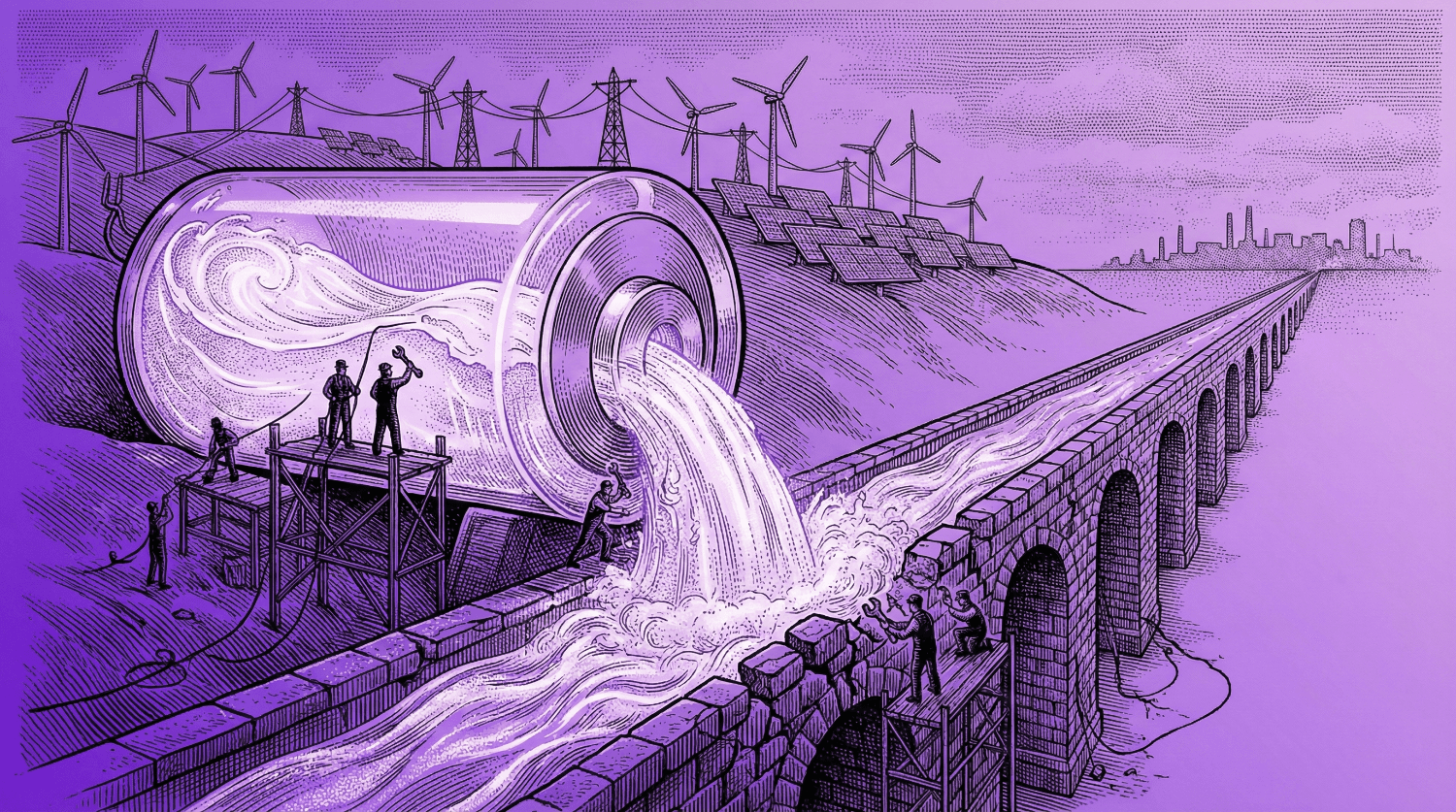
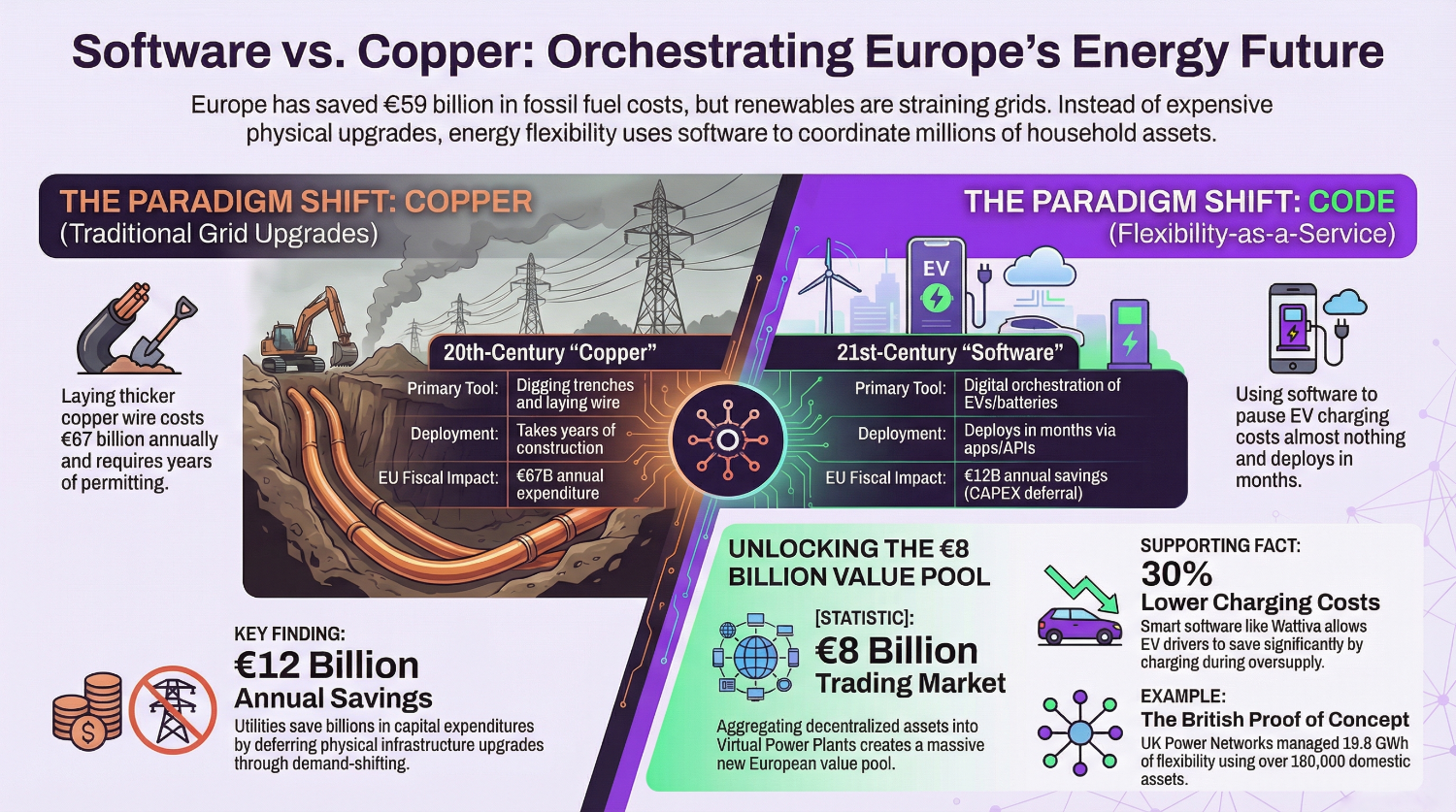
The typical utility response to a grid bottleneck has been to dig a trench and lay thicker wire. An emerging alternative is sending a push notification to 10,000 electric vehicles, asking them to stop charging for an hour. One approach costs billions and takes years of permitting. The other costs almost nothing and can be implemented in months. This is the core logic of the flexibility-as-a-service model. For utilities willing to adopt it, the rewards are tangible. Drivers can save up to 30 percent on charging costs. Traders unlock an €8 billion value pool. Grid operators can defer capital spending in the tens of billions.
The Grid Was Built to Follow Orders
In 2024, solar power eclipsed coal generation across Europe. Since 2019, the EU has avoided an estimated €59 billion in fossil fuel import costs. However, behind these milestones lies a crisis of physics that few people outside the industry are discussing.
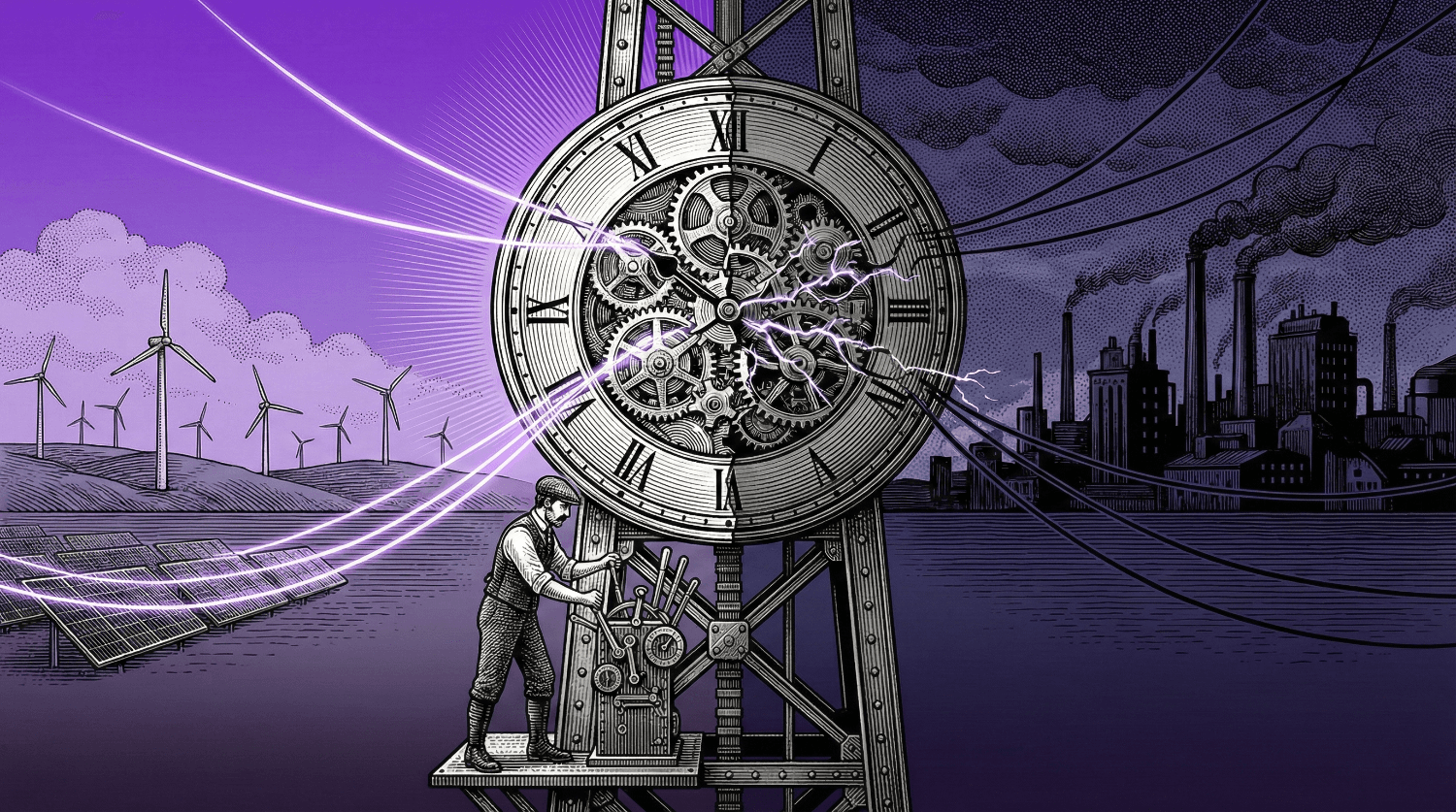
For a century, electricity grids remained stable due to massive, spinning turbines in fossil fuel plants. As these reliable machines are replaced by millions of solar panels and wind turbines, the grid is losing its physical anchor. The supply of energy is increasingly dictated by the weather rather than by how much coal is burned.
The paradigm must change. Supply no longer adjusts to demand. Demand must adjust to supply.
Energy flexibility is the ability of a system to rapidly adapt its consumption and generation in real time. For European utilities and energy traders, mastering this concept has become an operational imperative. The companies that figure it out will generate billions in revenue. Those that don't will watch their infrastructure buckle.
Two Paths, One Deadline
Without Flexibility:
We've already seen the preview. During the 2025 Spanish power blackouts, extreme wind and solar generation collided with transmission capacity constraints and insufficient backup power. The result was widespread loss of load and rolling blackouts. Without flexibility, a sunny, windy afternoon becomes a threat. Grids become overwhelmed, forcing operators to curtail the zero-carbon electricity they paid to generate. Oversupply pushes wholesale prices below zero, which destroys the economics of renewable investments and stalls the transition.
With Flexibility:
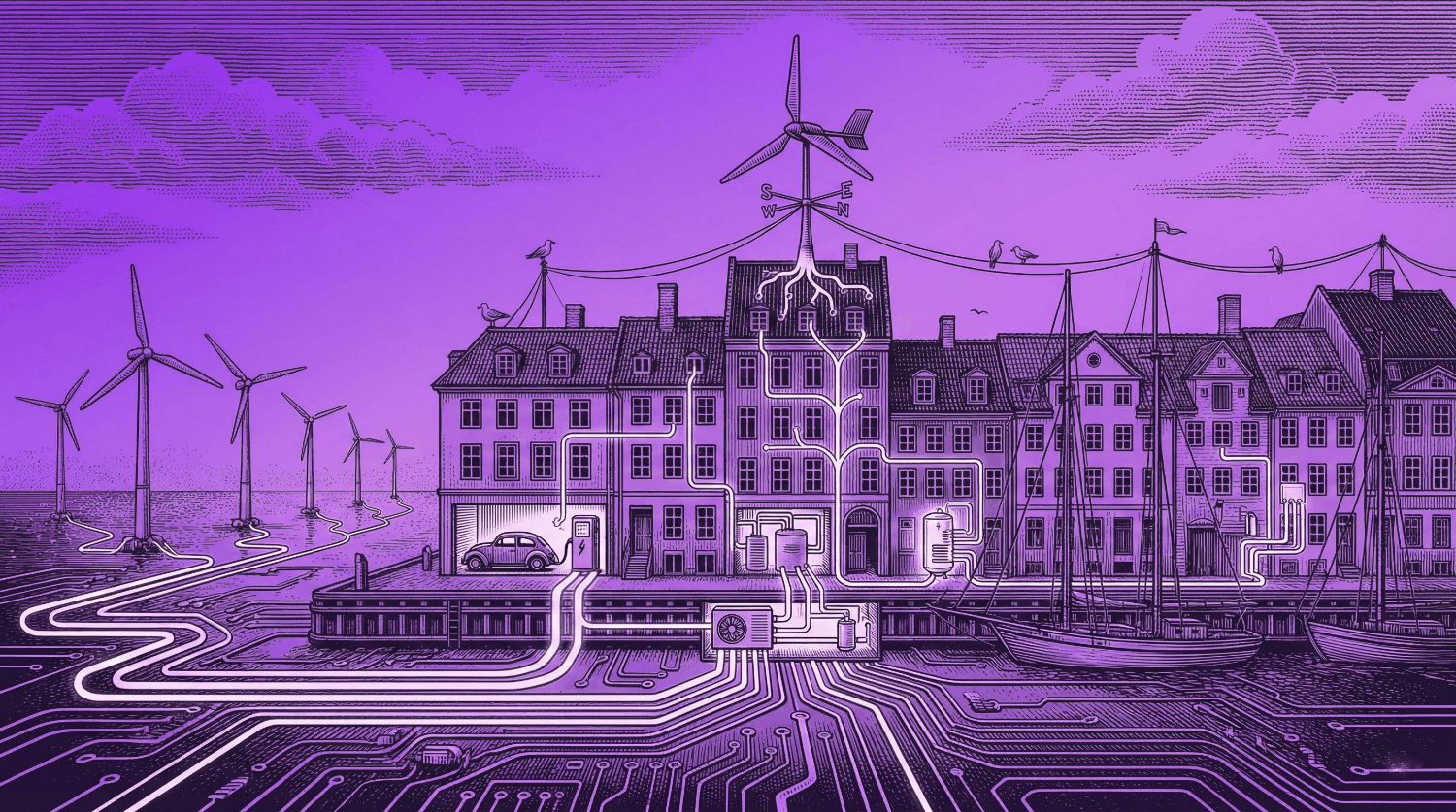
Millions of decentralised assets (electric vehicles, heat pumps, and home batteries) act as a unified digital shock absorber. When the wind howls at 2:00 a.m., millions of EVs wake up to absorb cheap power. When the sun sets and everyone turns on their ovens, those same cars push stored energy back into the local grid. Wholesale prices stabilize. Carbon emissions drop. The transition funds itself.
Where the Billions Are
The financial incentives are significant and measurable.
For distribution system operators (DSOs), the electrification of transport and heating poses a threat of overloading neighbourhood cables. The traditional solution is to dig up roads and lay thicker copper wires, a strategy projected to cost Europe €67 billion annually. However, by shifting electricity demand intelligently through flexibility, utilities can defer these infrastructure upgrades and save an estimated €12 billion in capital expenditures per year.
For energy traders and commercial prosumers, flexibility unlocks an additional €8 billion in value in Europe. By aggregating flexible assets into virtual power plants (VPPs) and trading them on reformed 15-minute wholesale markets, traders can buy low, sell high, and collect payments from grid operators for maintaining frequency stability.
British Proof of Concept
Great Britain currently operates the most mature and liquid flexibility market in Europe. UK Power Networks (UKPN) is the leader, having adopted a "Flexibility First" mandate that has fundamentally changed how citizens interact with the grid.
UKPN lowered the participation threshold so that anyone with 10 kW of flexibility, such as a single electric vehicle (EV) or home battery, could participate. By 2025, the company had registered over 162,800 flexibility assets, 90% of which were from ordinary domestic households. In a single year, UKPN dispatched 19.8 GWh of local flexibility, enough energy to power nearly 400,000 homes for a day. This software-driven approach delivered hundreds of millions of pounds in verifiable savings by avoiding the need for expensive physical grid reinforcements.
The Playbook
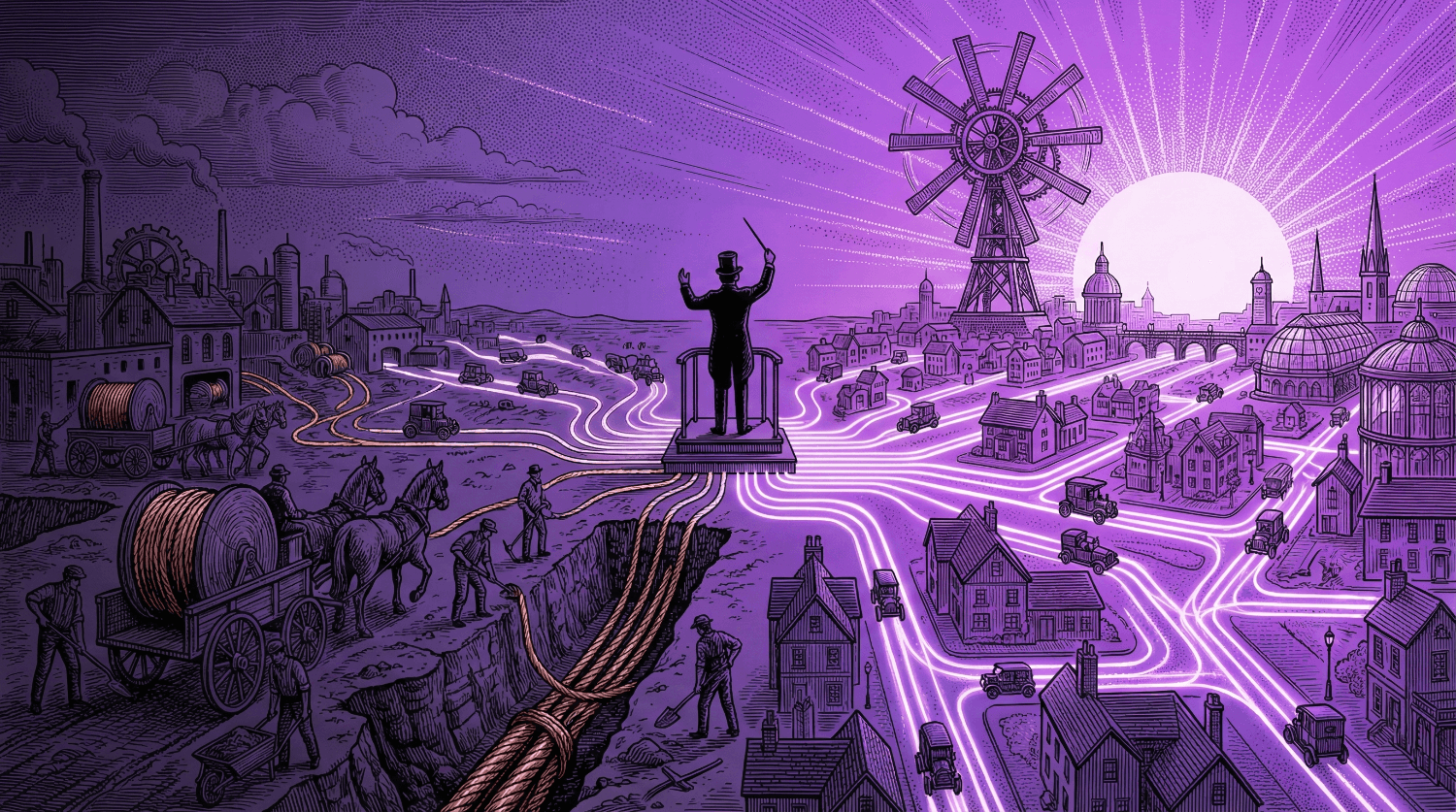
Transitioning from a 20th-century power distributor to a digital orchestrator requires a staged approach.
Establish the Digital Foundation
Begin with a controlled pilot that aggregates 50 to 100 residential assets. Validate the technology, test bidirectional data flows, and measure real-world trading revenue before scaling up. Do not make any system-wide changes on day one.
Integrate the Trading Desk
Flexibility only holds value if it can be monetised. The utility's IT architecture must connect to short-term and intraday wholesale markets via standardised APIs, enabling automated algorithms to trade capacity based on real-time price signals.
Deploy a DERMS Architecture
As distributed energy resources surpass 100 MW, legacy grid management software breaks down. A Distributed Energy Resource Management System (DERMS) provides real-time visibility and prevents flexibility dispatch from accidentally overloading a local transformer.
Scale Through Consumer Engagement
True scale comes not from utility-owned batteries, but from empowering consumers. Utilities need simple, automated applications that allow households to connect their EVs and heat pumps to the network and get paid for participating.
The Software That Makes It Work
Voltia Technologies developed Wattiva, a turnkey "Flexibility-as-a-Service" platform built to solve this challenge. It transforms EVs from grid liabilities into flexible, profitable grid assets.
The model runs on zero CAPEX. Rather than building grid-scale batteries, Wattiva enables utilities to aggregate the storage capacity that their customers already have in their garages. The software has a dual-layer architecture: a "Predict" layer that forecasts fleet energy demand and an "Orchestrate" layer that integrates directly with a utility's existing trading desk via standardised APIs. Traders can monetise aggregated demand on wholesale markets or provide localised congestion relief.
Wattiva also solves the hardest part of the equation: consumer adoption. The consumer-facing mobile app (available on iOS and Android) connects to most EV models without requiring additional hardware installation. Once connected, the app's algorithms charge the car when electricity prices drop or when the grid has excess renewable capacity.
Consumers can save up to 30% on charging costs, providing a clear value proposition. The most active participants can earn enough rewards to drive up to 10,000 kilometres per year at zero cost.
Software, Not Copper
The European energy grid of the next decade will not be defined by how much cable is buried. Rather, it will be defined by how intelligently demand is managed across the millions of existing small, distributed assets.
Utilities that treat flexibility as core infrastructure rather than a side project will avoid billions in unnecessary capital expenses, unlock new revenue from wholesale markets, and maintain grid stability as renewable energy surpasses every forecast. The rest will continue to dig trenches and lay copper, solving a 21st-century physics problem with a 20th-century budget.
The energy grid of the future will be built with software and consumer trust as much as with copper and steel. Utilities that recognise this and partner with platforms like Wattiva will lead the next era of European energy. Those that don't will spend billions trying to catch up. The bottleneck was never hardware. It was the software needed to coordinate what already exists.