Europe Proved Economic Growth Can Be Green. Now Comes the Hard Part.
The EU cut emissions by 37 percent while growing its economy by 68 percent. But revised data on forests and soil reveals the continent's natural carbon sinks are failing and there's almost no room left for error.
Europe is experiencing a major industrial and structural transformation as it responds to climate change. 2024 was the warmest year on record.
This case study examines the technical and economic changes within the European Union as it pursues economic growth independent of carbon emissions, while managing the difficulties of environmental monitoring and infrastructure scaling.
1. Economic Growth vs. Carbon Emissions
For decades, environmental policy debates centered on whether a region could grow its economy while reducing its environmental footprint. The data from 1990 to present shows the EU has achieved what economists call the "Great Decoupling."
| Metric | Change Since 1990 |
|---|---|
| EU Gross Domestic Product (GDP) | +68% |
| Net GHG Emissions (Domestic Scope) | -39% |
| Net GHG Emissions (Full Scope) | -37.2% (Includes international aviation and maritime sectors.) |
This data matters for a specific reason: it demonstrates that wealth creation can be separated from carbon emissions at continental scale. The EU increased GDP by 68% while cutting emissions by over 37%. The conversation shifts from "Is this possible?" to "How do we optimise it?"
The stability of this achievement faces a new threat: volatility in environmental monitoring and natural sequestration data.
2. Why Measuring Natural Sinks is Getting Harder
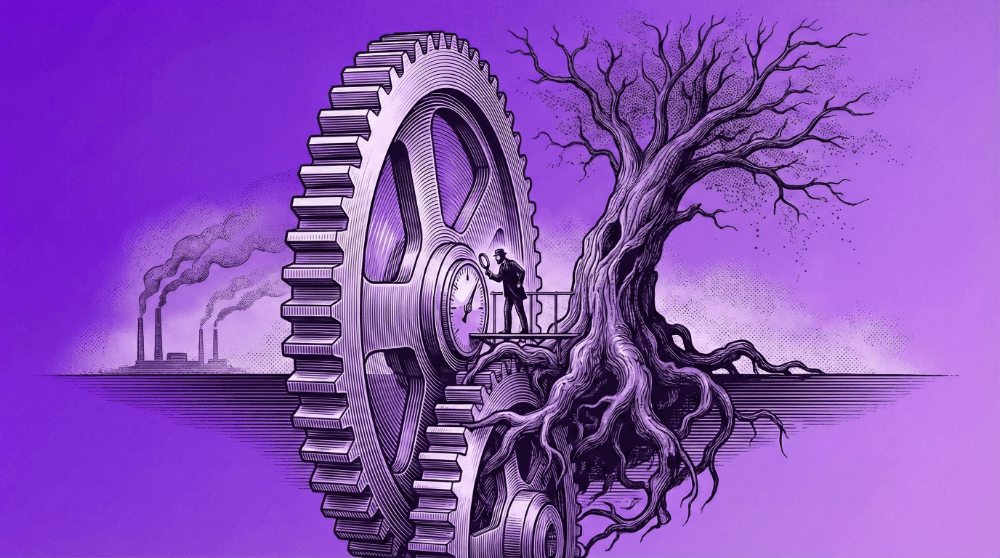
As industrial emissions fall, the EU is discovering that its land absorbs less remaining carbon than expected. This involves the Land Use, Land Use Change, and Forestry (LULUCF) sector, which functions as a natural carbon sink.
The complexity of this sector became visible in 2023 when Sweden revised its net removal figures upward by 208%. No new forests appeared. Instead, methodological updates to mineral soil and biomass accounting revealed that previous measurements had been wrong. Our natural carbon stocks are more fragile than the old numbers suggested.
What the data shows:
- The removal capacity of natural sinks has dropped by an average of 30% over the last decade.
- Updated accounting shows carbon stocks increasing more slowly than assumed, due to climate stress and soil degradation.
- Existing forests and soils cannot compensate for industrial emissions at the rates previously projected.
This shifts the burden of reduction toward industrial and technical solutions.
3. The Acceleration Timeline: Analysing the Velocity of Change
The pace of European emissions reduction has changed substantially across three periods.
Average Annual Emission Reductions:
- 1990–2005: 26 million tonnes (Mt) per year
- 2005–2018: 50 million tonnes (Mt) per year
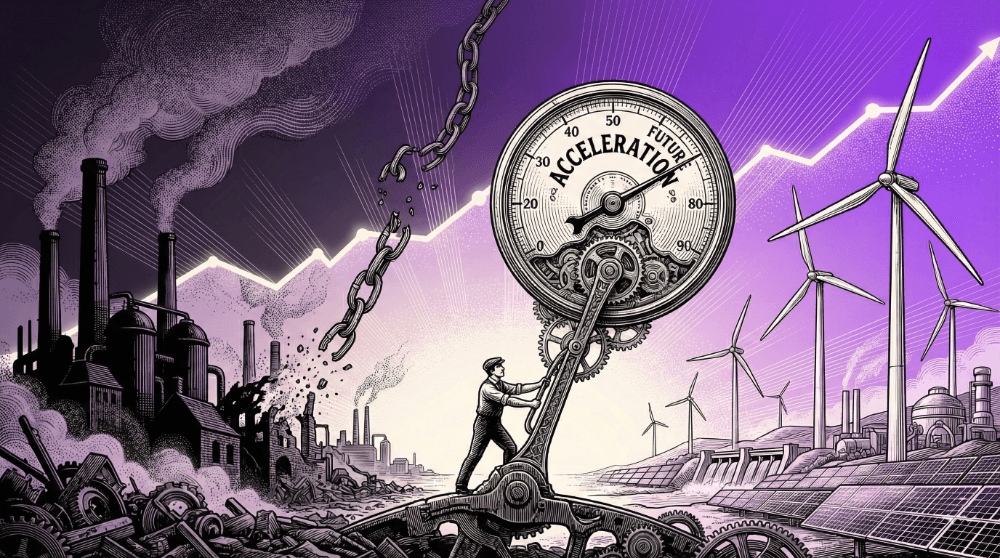
- 2018–2023: 129 million tonnes (Mt) per year
The current rate is five times faster than the 1990–2005 baseline.
To reach the "Fit for 55" target (a 55% reduction by 2030), the EU must sustain reductions of 131 Mt per year. The 2018–2023 period achieved 129 Mt per year. The margin is 2 Mt per year, or about 1.5%. There is no room for slowdown.
Maintaining this velocity requires physical and digital infrastructure that does not yet exist at scale.
4. Scaling Renewables and Transforming Transport
Progress varies sharply across economic sectors.
Sectoral Performance Since 2005:
| Sector | Emissions Change | Status |
|---|---|---|
| Energy Supply | -49% | Structural shift complete |
| Domestic Transport | -6% | Largest emitting sector - 25 percentage point gap from 2030 targets |
The energy sector has transformed. Transport has barely moved.
Martin Gonda, CEO of Wattiva, points to a specific bottleneck:
"Selling electric vehicles solves half the problem. The grid must manage EVs as flexible energy assets, not passive consumers."
This requires a Distributed Energy Resource Management System (DERMS) that can charge vehicles when electricity costs €0.04/kWh and pause when it hits €0.28.
To meet 2030 binding targets, the EU must:
- More than double annual renewable capacity additions compared to the 2019–2024 average.
- Increase annual energy savings by 16% over the 2019–2024 average.
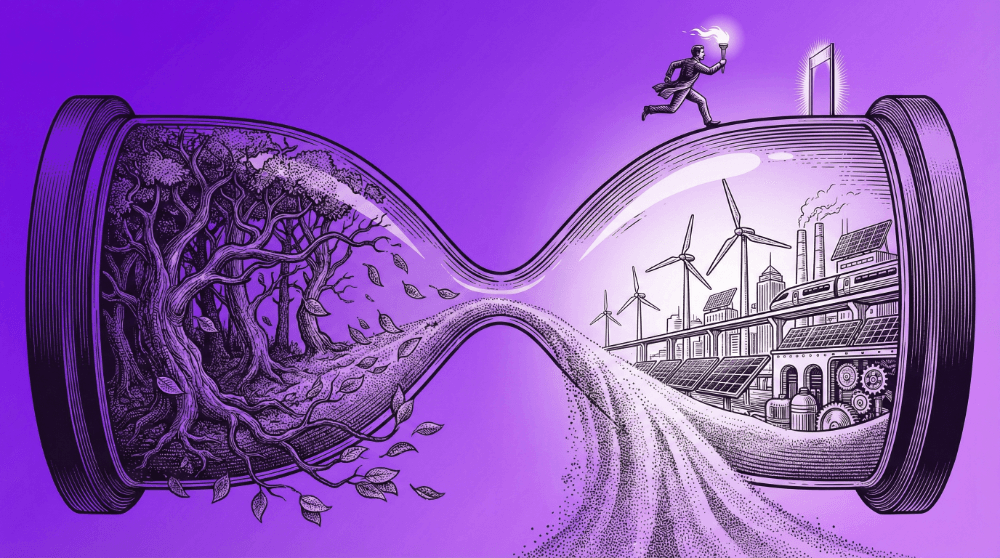
Deploying this infrastructure requires decades of lead time. The 2030 deadlines have forced the EU to define its 2040 industrial requirements now.
5. From 2030 Targets to the 2040 Binding Commitment
As of November 2025, the EU has established a legally binding interim milestone: a 90% net GHG reduction target by 2040.
This 90% target defines the endpoint for European industry. Investors and engineers now have a fixed destination: near-total decarbonisation of continental infrastructure. The remaining work involves heavy industry and deep-sea shipping, sectors where no proven decarbonisation pathway exists at scale.
Summary
Economic decoupling is proven. The EU nearly doubled GDP while cutting emissions by over a third. Growth and decarbonization can coexist.
Natural carbon sinks are unreliable. Updated accounting reveals forests and soils absorb less carbon than previously measured. Industrial emission cuts must compensate.
The execution challenge is specific and measurable. Reaching the 2040 target requires doubling renewable capacity deployment, integrating grid intelligence systems, and maintaining annual reductions of 131 Mt. The margin for error is 1.5%.